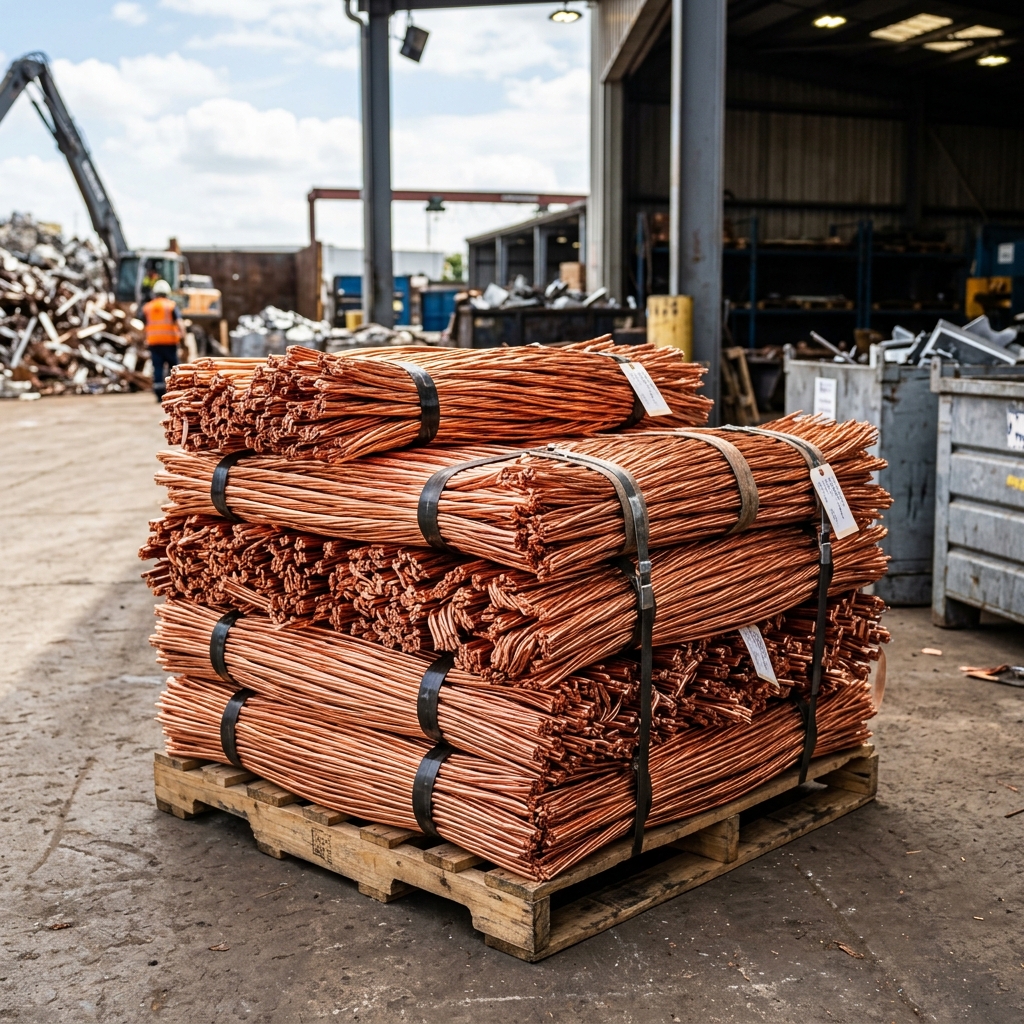
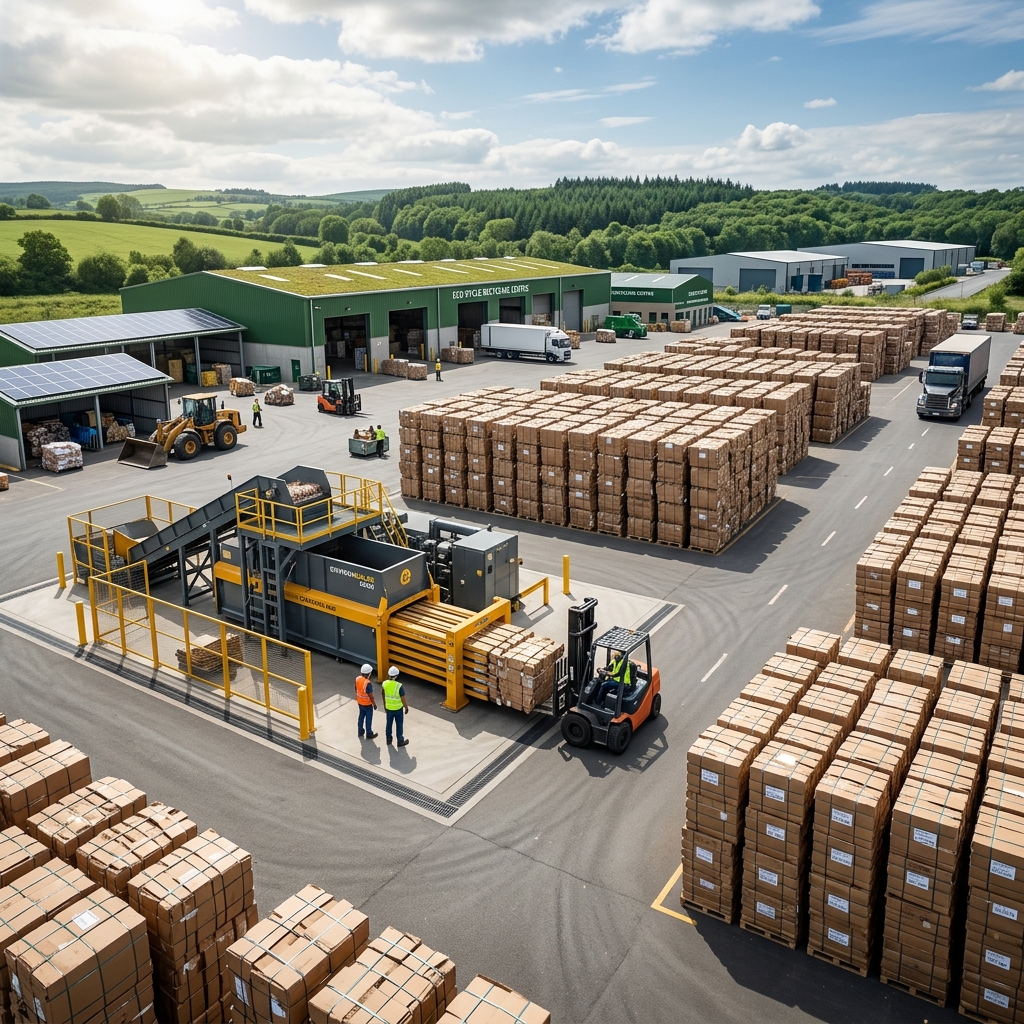
Scrap sorting has traditionally been a highly labor-intensive, dirty, and dangerous job. Today, artificial intelligence (AI), computer vision, and high-speed robotics are transforming yards into highly automated green factories.
Computer Vision: Identifying Scrap Instantly
AI cameras positioned over fast-moving sorting conveyor belts use deep learning models to scan materials in real-time. The system can immediately differentiate between copper scrap grades (e.g. Candy copper vs. Birch wire), isolate specific plastics by polymer code, and detect dangerous battery packs before they reach heavy shredders.
Robotic Pickers: Fast and Unwearied
Traditional manual sorters can make up to 30 picks per minute. AI-guided robotic arm pickers, equipped with pneumatic suction cups and mechanical grievances, can achieve up to 80 picks per minute—operating 24 hours a day without fatigue or injury risks. They sort copper, aluminium, and circuit boards with 99.5% classification accuracy.
"Yards that have integrated AI-robotic sorting lines report a 400% increase in pure material recovery volumes within the first six months."
A Cleaner, Safer Workplace
By automating the high-risk separation of sharps, heavy cast iron, and hazardous battery components, AI technology is protecting workers from toxic dust and mechanical injuries, allowing them to shift to higher-skilled system monitoring and maintenance roles.